When thinking about social media, and its ability to bring awareness to causes, organizations are able to use brand awareness to users. Within seconds, non-profits are able to successful diffuse a message in order to encourage participation. When users share a message such as breast cancer awareness, or with any awareness campaign, people feel good about their efforts. There is the ability for users to find meaning in what they are doing, and ultimately, it brings a connection with other users.
During the month October, women across the nation, share their support for breast cancer awareness on Facebook by posting their name and bra color. For men who view their female friend’s posts, it brings about a curiosity as to why a status would be posted. However, it’s an easy way to show support for such an important cause. We hit the “like” button and we become participants in a much greater way. Easily, our efforts can lead to something greater, especially if someone we know has been effected by the cause. However, even with such support, the real issue is that users participate in social media awareness campaigns, but have never become involved with these causes in person.
Many times, organizations create a diffusion-centric campaign without the real-life link, there isn’t an action plan. These types of memes bring users to having the desire to help to bring awareness, rather than putting in the effort in the cause, such as spreading education to those who may not understand the actual effects of a disease. One example of this is with breast cancer.

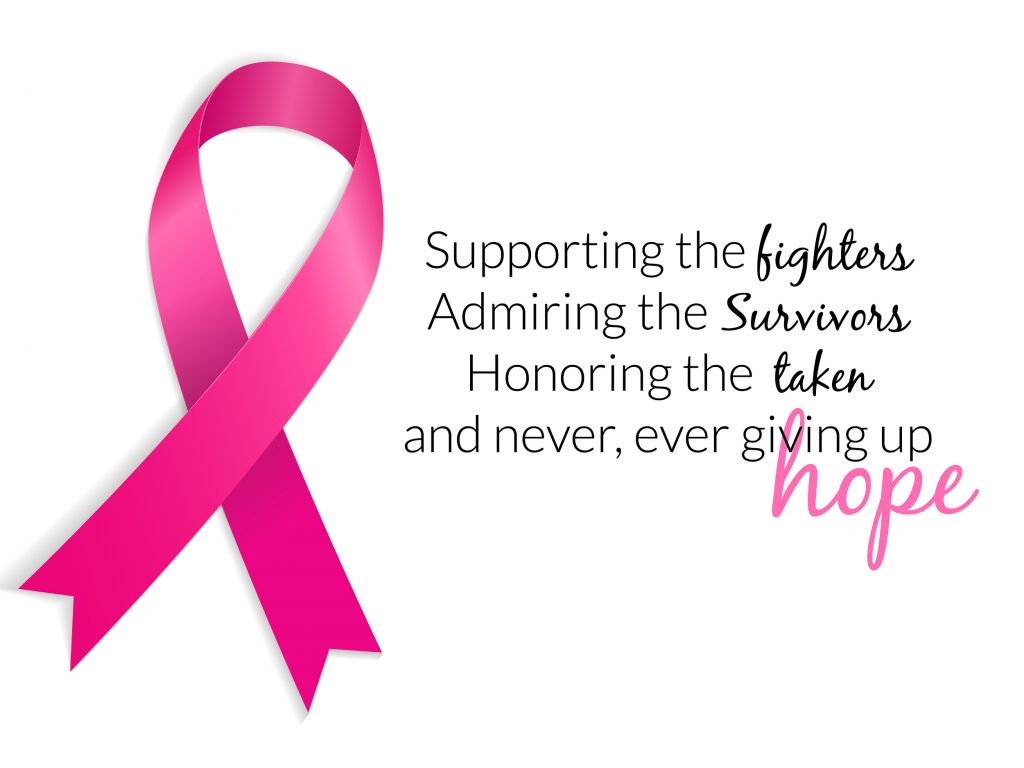
In the month of October, retailers and organizations across the United States color the world in pink. Pink ribbons, pens, t-shirts, and even phones cases become pink for the next 30-days. It’s just one way of bringing awareness to people about breast cancer. Although, for many who aren’t as familiar with the statistics of this disease, more than 2000 men and over 400 of them passed away from it in 2012 alone. This fact isn’t something that is being branded as much as the effects that breast cancer has on women. Both men and women should be changed for this disease each year. Social media has missed this sort of campaign, and for many men, this could put them at risk by not being aware of the right prevention measures for them. This lack of awareness, as well as the overall campaigns each year for breast cancer awareness, disseminates the whole purpose for prevention. It also takes away from the idea of using real-life mobilization when reaching users through social media.
There isn’t an awareness campaign that wouldn’t benefit from using real-life by creating a button to donate, signing a petition, encouraging users to volunteer, or a letter writing campaign; no matter what effort that an organization uses to brand and increase awareness is beneficial to the overall message. That message would be to develop awareness, but also education to all users. With the ability to reach people with just a touch of a button, it becomes increasingly clear, that developing a campaigns that are based on knowledge, education, interest, and recognition is essentially important to building the brand. ff
 Literary Speaking